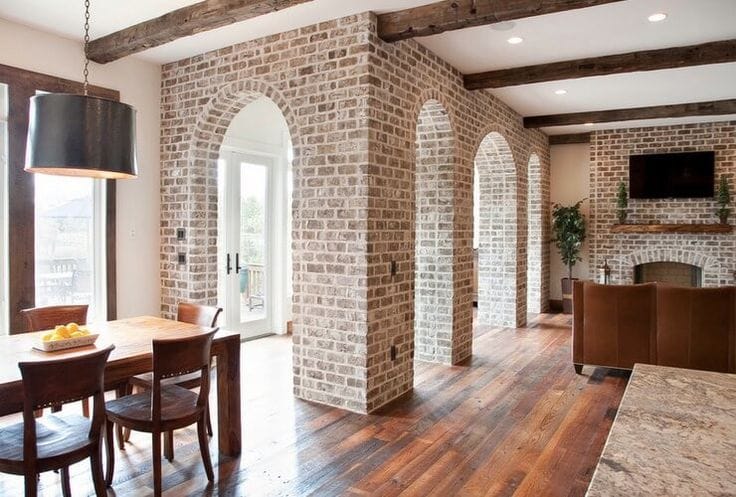
Superior Masonry Atlanta provides expert brick mason services in Atlanta, GA, including new brickwork, repairs, and custom features. Our crews build straight, level, long lasting brick walls, steps, and accents that match your home and meet local codes.
Superior Masonry Atlanta provides professional brick mason throughout Atlanta, GA, Georgia and the surrounding area. Our licensed, insured crew delivers safe, clean, on-time work with a free estimate before anything begins. Call (912) 454-5836 or request your free quote.
Brick Masonry Work Built for Atlanta Homes and Weather
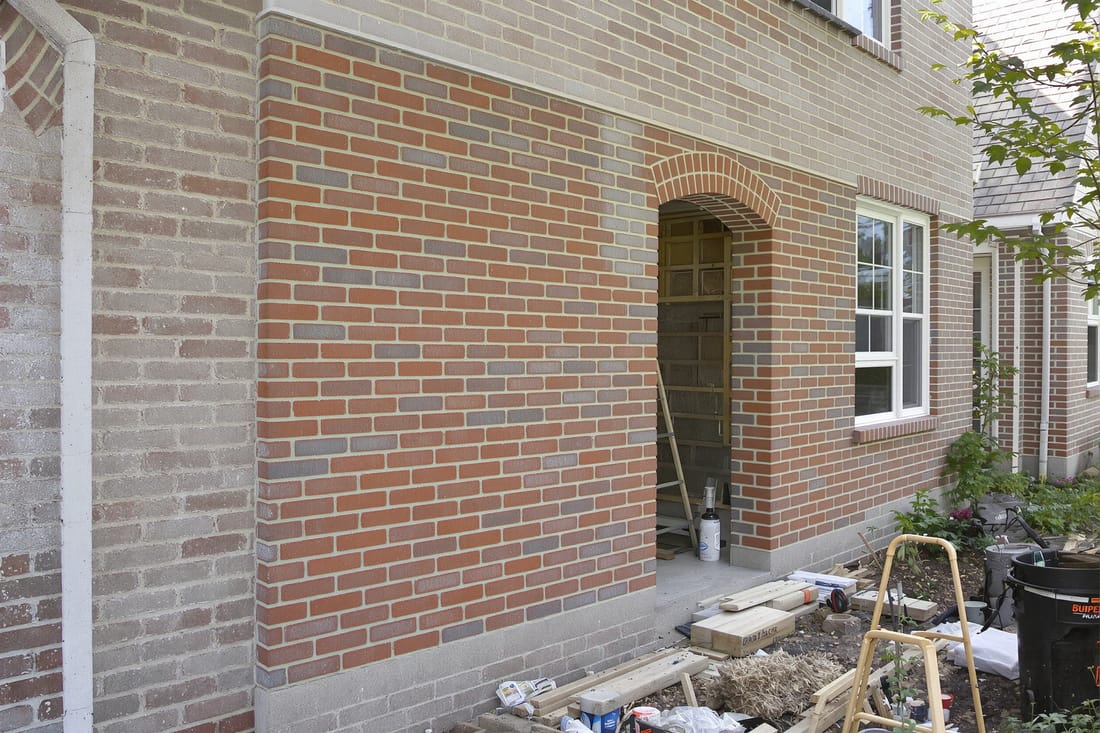
Superior Masonry Atlanta focuses on brick masonry that holds up to Atlanta’s hot summers, heavy storms, and occasional winter freezes. When we look at a project, we start by asking how the brick will actually be used: is it structural, like a load‑bearing wall or foundation veneer, or is it mainly decorative, like a garden wall, mailbox, or front step upgrade. That answer changes which brick, mortar, and footing design we recommend.
In the Atlanta area, clay brick is still the standard because it handles heat well and does not fade as quickly in strong sun. We help you choose between modular, queen, or engineer‑size brick depending on the look you want and the space we have to work with. For example, queen brick gives a taller, more traditional Southern look that suits older neighborhoods like Grant Park and Inman Park, while modular brick works well for newer subdivisions in Cobb and Gwinnett.
We match mortar color and joint style to your existing house or to a design you like. Common joints here are concave (best for water resistance in our sudden downpours), weathered (shedding water away from the wall), and flush (often used on interior brick features). For repairs on older Atlanta homes, we do a test panel first to get color and texture close so you do not end up with a patch that screams “new work” from the street.
Our brick masonry is laid on proper foundations. For low garden walls or steps, we pour a concrete footing below the frost line (still shallow in Georgia, but deep enough to resist movement from wet soil). For structural work or veneer tied to a house, we follow local code for rebar, depth, and drainage, so the brick is not just attractive but also safe and long lasting.
How Our Brick Masonry Process Works From First Visit to Final Cleanup
When you contact Superior Masonry Atlanta for a brick mason project, we start with a site visit, not a guess over the phone. We measure, check soil conditions, look at drainage patterns, and photograph the surrounding brick so we can match it. This is especially important on sloped Atlanta lots where water can run directly toward a new wall or patio.
Design comes next. If you have a clear idea, we turn that into a simple drawing and material list. If you are not sure, we bring sample bricks and show pictures of past jobs: straight‑run walls, curved garden borders, brick columns, porch steps with bullnose treads, and brick walkways with soldier‑course borders. We talk through height, thickness, and whether you want caps, lights, or ironwork tied into the brick.
After design approval, we prep the site. That can mean removing old cracked brick, cutting out tree roots, or excavating for a new footing. We use string lines and laser levels so the finished work is straight, even if the yard or driveway is not. For projects close to property lines or public sidewalks, we confirm measurements against your survey and, where needed, coordinate with the City of Atlanta about right‑of‑way issues.
During the bricklaying itself, our masons mix mortar in small batches to stay workable in Atlanta heat. We spread a consistent bed, set each brick to line and level, tap it in, and tool the joints once the mortar firms up. On larger projects, we leave control joints where needed to handle minor movement from soil or temperature, which helps prevent random cracking later.
Cleanup is not an afterthought. Before we leave, we wash the brick surface with appropriate cleaners, not harsh acids that can burn the mortar or change brick color. We protect nearby siding, windows, and landscaping while we clean. You get a walk‑through so we can point out any details, such as weep holes, expansion joints, or hidden drainage, and explain how to care for the new brickwork.
Costs, Bids, and What Drives the Price of Brick Masonry in Atlanta
Brick masonry pricing in Atlanta depends on more than square footage. At Superior Masonry Atlanta, we break down our estimates so you see where the money goes. The main drivers are access, footing requirements, brick selection, and finish details.
Access is often overlooked. A small wall in a tight Midtown backyard with no side gate, where materials must be carried through the house, will cost more per square foot than a larger project with easy driveway access in Sandy Springs. Hauling brick and mortar by hand, and managing dust and protection inside your home, adds real time.
Footing and foundation work is another big factor. If the project is on flat, firm ground, a standard concrete footing with rebar is usually enough. If we find soft or filled soil, such as behind older homes that had previous landscaping or construction, we may recommend a deeper or wider footing, extra rebar, or drainage stone. These upgrades prevent settling and long cracks that would cost more to fix later.
Material choice affects price and look. Standard red modular brick is usually the most economical. If you choose tumbled, reclaimed, or custom‑color brick, costs go up, and lead times can be longer. Mortar color additives and special joint tooling also add cost. We tell you up front which items are optional so you can decide where to invest and where to save.
Details like curved walls, brick inlays in concrete, or integrated lighting take more layout and cutting time. If an HOA in places like Brookhaven or Johns Creek requires specific brick types or patterns to match the community, that can limit cheaper options. We are familiar with many local HOA standards and can help you choose a design that will pass review the first time.
Our written proposal lists line items: demolition, disposal, footing, brick and mortar, labor, and any extras like caps, steps, or rail anchors. That way you can compare our bid to others on an apples‑to‑apples basis instead of a single lump sum that hides the real differences.
Common Brick Masonry Problems in Atlanta and How We Address Them
Atlanta’s mix of clay soils, heavy rain, and summer heat creates specific problems that a brick mason has to plan for. At Superior Masonry Atlanta, we see the same patterns repeat: step cracks from minor settling, spalling faces from trapped moisture and freezing, white efflorescence on shady walls, and leaning columns or mailboxes hit by vehicles.
For step cracks that follow mortar joints, we first figure out whether the movement has stopped or is ongoing. If it is minor and no longer active, we grind out loose joints, reset any shifted brick, then repoint with a mortar that matches strength and color. Using mortar that is too hard on older soft brick is a common mistake and can cause more spalling. We match mortar type so the joint, not the brick, does the moving.
Spalling and flaking bricks often show up near planters, downspouts, or grade that sits too high against the wall. We cut back soil or mulch, adjust or extend downspouts, and, if needed, replace damaged bricks with matching ones. On retaining walls, we check for blocked weep holes and fix drainage behind the wall to relieve pressure.
Efflorescence, the white powdery staining, is usually a moisture issue, not a brick defect. We treat the surface with proper cleaners and, more importantly, find the water source. That can be sprinklers that hit the wall every day, poor drainage at the top of a retaining wall, or missing sealant where brick meets windows or doors. Simply washing the surface without fixing the source only brings the problem back.
Leaning mailboxes and entrance columns are very common in Atlanta subdivisions. Often they were built over a shallow or poorly reinforced footing. In many cases, rebuilding on a proper concrete base with rebar is smarter than trying to straighten and brace what is there. We can usually reuse your existing brick if it is in good shape so the new work still matches the neighborhood.
We also handle smoke‑stained or cracked brick on chimneys, especially on older homes with wood‑burning fireplaces. We inspect the crown, flashing, and mortar joints, then repair or rebuild sections as needed. On any chimney that rises above the roofline, we pay attention to how wind and water hit the structure, and we suggest simple add‑ons like caps or repointing to prevent leaks into the attic.
Permits, Inspections, and Choosing the Right Brick Mason in Atlanta
Not every brick masonry job in Atlanta needs a building permit, but some do. As a rule of thumb, if a brick structure is taller than a few feet, supports loads, or changes the footprint of your home, the City of Atlanta or your local county may require drawings and an inspection. New retaining walls, structural porch walls, and major chimney rebuilds are typical examples. Superior Masonry Atlanta can help you determine if your job needs a permit and, when required, can coordinate with your contractor or engineer to meet code.
Inside the city limits, inspectors often look for proper footing depth, reinforcement, and drainage details, especially on retaining walls. In areas like DeKalb, Cobb, and Fulton counties, the rules are similar but the process can vary. We are used to working with inspectors and are careful to build the work as designed so inspections pass cleanly without delay.
Many Atlanta neighborhoods have HOAs that control the look of front‑facing brick walls, mailboxes, and entry features. If you are in one of these communities, get the HOA guidelines before we finalize your design. We can provide material samples, pictures, and a short description of the project for your architectural review board to speed up approval.
When you choose a brick mason, ask about more than price. Ask to see actual local jobs that are at least five years old. Brickwork that looks fine in the first month can show its true quality only after a few Atlanta summers and storms. We are always willing to point you to past projects so you can see how our joints, corners, and caps have held up.
Also, verify that the contractor has insurance and that they are comfortable explaining their footing design, drainage plan, and brick and mortar choices. If a mason cannot tell you why they are using a particular mortar type or how they plan to handle runoff on your sloped yard, that is a red flag. Our goal at Superior Masonry Atlanta is to answer those questions clearly so you know exactly what you are getting before we mix the first batch of mortar.