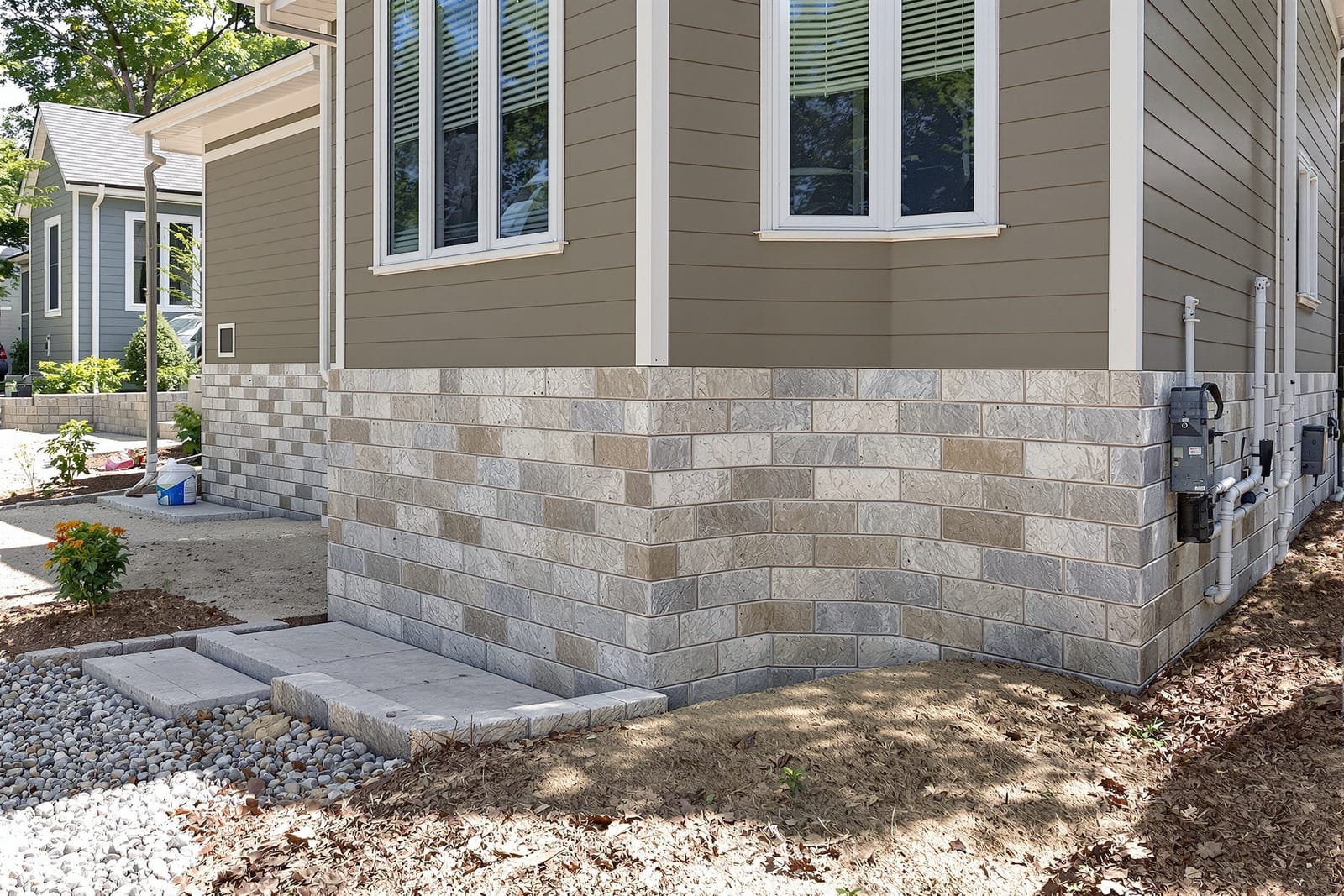
Home › Foundation and Basement Masonry
Superior Masonry Atlanta specializes in masonry foundation repair for homes in Atlanta, GA. We stabilize and rebuild failing block or stone basement walls, address bowing and cracks, and add drainage or waterproofing so your foundation stays dry and structurally sound.
Superior Masonry Atlanta provides professional masonry foundation repair throughout Atlanta, GA, Georgia and the surrounding area. Our licensed, insured crew delivers safe, clean, on-time work with a free estimate before anything begins. Call (912) 454-5836 or request your free quote.
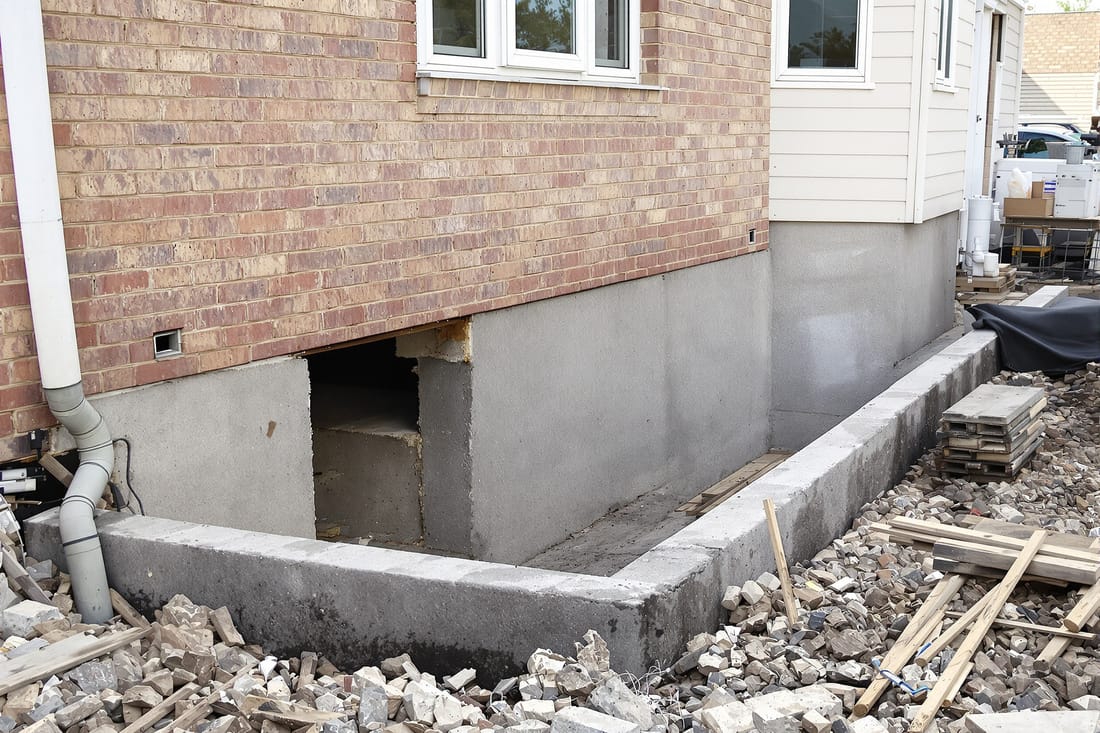
Foundation & Basement Masonry Specialists in Atlanta, GA
Your foundation and basement walls do not just hold up your house, they control how dry, level, and structurally sound your entire home will be over time. At Superior Masonry Atlanta, we focus specifically on masonry foundation repair and basement masonry tailored to Metro Atlanta soils, weather patterns, and building practices.
Unlike general contractors who “fix cracks,” we look at how the footing, block or poured walls, brick veneer, slab, and drainage system all interact. Many homes in Atlanta sit on a mix of red clay and fill dirt, which expands in our humid summers and contracts during dry spells. That movement shows up as stair-step cracks in block walls, gaps between brick and window frames, bowing basement walls, and sticky doors on the main floor. Our job is to diagnose what the masonry is telling us, then design a repair that actually stabilizes the structure instead of hiding symptoms.
We work on older intown basements, 1960s and 1970s ranch foundations, and newer construction in outlying suburbs. For each project we document existing conditions, explain your options in clear language, and provide a written scope so you know exactly what we are doing and why.
How We Diagnose Masonry Foundation Problems
Accurate diagnosis is the most important part of masonry foundation repair. During an on-site assessment, a Superior Masonry Atlanta technician walks the full perimeter of your home, then the basement or crawlspace, looking for patterns rather than isolated issues.
We check:
• Vertical, horizontal, and stair-step cracks in block, brick, or poured concrete, including whether they are wider at the top or bottom.
• Inward bowing or bulging of basement walls using levels and string lines.
• Differential settlement by measuring slab slopes and checking how doors and windows operate on upper floors.
• Mortar condition, efflorescence (white staining), rusted rebar marks, and spalling or flaking concrete.
• Moisture sources such as downspouts dumping near the footing, negative grading, or hydrostatic pressure from uphill neighbors.
In Atlanta, it is common to see foundations affected by tree roots, old poorly compacted fill, or long-term gutter issues. We distinguish between cosmetic cracking, which may only need tuckpointing or localized patching, and structural cracking or movement, which may call for underpinning, wall reinforcement, or partial reconstruction. Before we recommend any work, you receive a clear explanation of the cause, the level of risk, and the repair options at different investment levels.
Typical Masonry Foundation Repair Methods We Use
Superior Masonry Atlanta does not rely on a single “system.” We choose from several proven masonry repair methods based on the specific problem, access, and budget.
For settlement or sinking, we may install concrete underpins at intervals along the footing or coordinate with a structural engineer to add helical or push piers. Once support is restored, we rebuild cracked or displaced block or brick, replacing damaged units and repointing mortar joints to match existing work.
For bowing or leaning basement walls, options include:
• Installing steel I-beams anchored to the slab and joists to arrest further movement.
• Adding reinforced concrete buttresses on the interior or exterior where space allows.
• Removing and reconstructing severely compromised sections using reinforced concrete or CMU (concrete masonry units) with vertical rebar and grout-filled cores.
Cracked or honeycombed concrete can often be repaired by chipping out loose material, cleaning the steel, applying bonding agents, and placing high-strength repair mortar. For brick veneer separation, we may install new brick ties, rebuild corner sections, and correct support angles. Every repair is finished with tooling and surface treatments selected to blend visually while still allowing future movement to be monitored easily.
Basement Masonry Improvements & Waterproofing Integration
Foundation repairs are more durable when moisture is controlled. In Atlanta’s climate, basements frequently deal with hydrostatic pressure and periodic heavy thunderstorms. We combine structural masonry work with practical moisture management as needed.
Interior basement work may include building or resurfacing block or concrete walls, installing parge coats over rough masonry, and using crystalline waterproofing products on the interior face where appropriate. When we cut channels for interior drain systems or sumps (often done by waterproofing companies), we restore the slab edges and wall bases with compatible concrete and mortar so that the system does not undermine the foundation wall over time.
On the exterior, where access is possible, we may excavate to expose foundation walls, clean and repair cracks, install cementitious or polymer-modified coatings, and add drainage board and footing drains. Importantly, we prioritize re-compacting the backfill in lifts to reduce future settlement near the house. We also pay close attention to basement walkout stairs, window wells, and brick sills, which are common leak points in Atlanta homes, and correct masonry slopes and joint details to shed water effectively.
Foundation Materials, Options, and What Affects Cost
Masonry foundation repair costs vary widely because no two homes sit on exactly the same combination of soil, slope, and construction type. Superior Masonry Atlanta explains costs up front so you understand what is driving the numbers.
Key factors include:
• Access: Tight lot lines inside the perimeter, decks built over critical walls, or limited side yard clearance can increase labor and sometimes require hand excavation.
• Structural severity: Minor step cracks may only need surface repair and repointing. Large vertical displacement, rotated foundation corners, or major wall bowing often involve reinforcement or partial rebuilds.
• Materials: Many Atlanta homes have block foundation walls with brick veneer, although some older neighborhoods have all-brick or stacked-stone crawlspace walls. Matching existing brick type, mortar color, and tooling may slightly increase material and labor time but preserves curb appeal and resale value.
• Moisture control: Adding drainage improvements or waterproof coatings during a structural repair often costs less than doing them later, but they are still distinct line items.
We typically work with standard CMU, poured concrete, clay brick, and engineered repair mortars rated for structural applications. Where the structure requires it, we include rebar, dowels, and mechanical anchors to tie new work into old. Our written estimate separates structural work from optional aesthetic upgrades so you can prioritize safety first, then plan additional improvements if desired.
Permits, Codes, and Local Expectations in Atlanta
Foundation and basement masonry repairs often fall under structural work in the City of Atlanta and surrounding jurisdictions such as DeKalb, Fulton, Cobb, and Gwinnett counties. Superior Masonry Atlanta can help you navigate these requirements so the job is done correctly and documented.
For substantial work, such as underpinning, wall reconstruction, or adding new structural piers, it is common for local building departments to request an engineer’s letter and to require a building permit. We coordinate with licensed structural engineers familiar with Atlanta code requirements and soil conditions so that your repairs are not only sound but also properly documented for future sale or refinancing.
Many HOAs in Metro Atlanta require advance approval for exterior work, particularly if excavation, visible masonry changes, or access through shared drives will occur. We can provide scope descriptions and drawings as needed for HOA review. When the project is complete, we recommend you keep copies of all permits, inspection sign-offs, and engineer letters with your closing documents so potential buyers can see that foundation issues were addressed professionally and to code.
What To Expect When You Hire Superior Masonry Atlanta
Our goal is to make masonry foundation repair as predictable and transparent as possible. After the initial inspection, you receive a written proposal that describes the specific areas to be repaired, the methods we will use, and any recommendations that go beyond the immediate problem, such as grading corrections or gutter changes.
On the scheduled start date, we protect adjacent finishes, landscaping, and interior spaces, then complete any needed demolition carefully, salvaging matching masonry units when possible. During the work, the crew lead remains onsite to answer questions and to adjust details as unexpected conditions are uncovered, such as hidden voids under the footing or buried construction debris.
At the end of the project, we perform a joint walkthrough with you, pointing out exactly what was done and how to monitor the repaired areas going forward. We review any maintenance steps that will help protect your foundation, such as keeping downspouts extended, watching for new cracking at specific locations, and scheduling periodic checks if large trees are close to the structure. Superior Masonry Atlanta stands behind its foundation and basement masonry work with clear, written workmanship warranties, and we remain available if you or your engineer ever want to review the repaired areas in the future.