Home › Tuckpointing and Repointing
Superior Masonry Atlanta restores failing mortar joints with professional tuckpointing services in Atlanta, GA. We grind out loose mortar, match the original color and profile, and repoint the brickwork so your walls and chimneys shed water and regain their strength.
Superior Masonry Atlanta provides professional tuckpointing throughout Atlanta, GA, Georgia and the surrounding area. Our licensed, insured crew delivers safe, clean, on-time work with a free estimate before anything begins. Call (912) 454-5836 or request your free quote.
Tuckpointing in Atlanta: Why It Matters for Brick Homes and Buildings
Atlanta’s mix of summer humidity, sudden thunderstorms, and occasional winter freezes is hard on brick and mortar. Over time, the mortar joints between your bricks can crack, crumble, or wash out. When that happens, water starts to penetrate the wall, bricks loosen, and interior damage can follow. This is where professional tuckpointing and repointing from Superior Masonry Atlanta becomes essential.
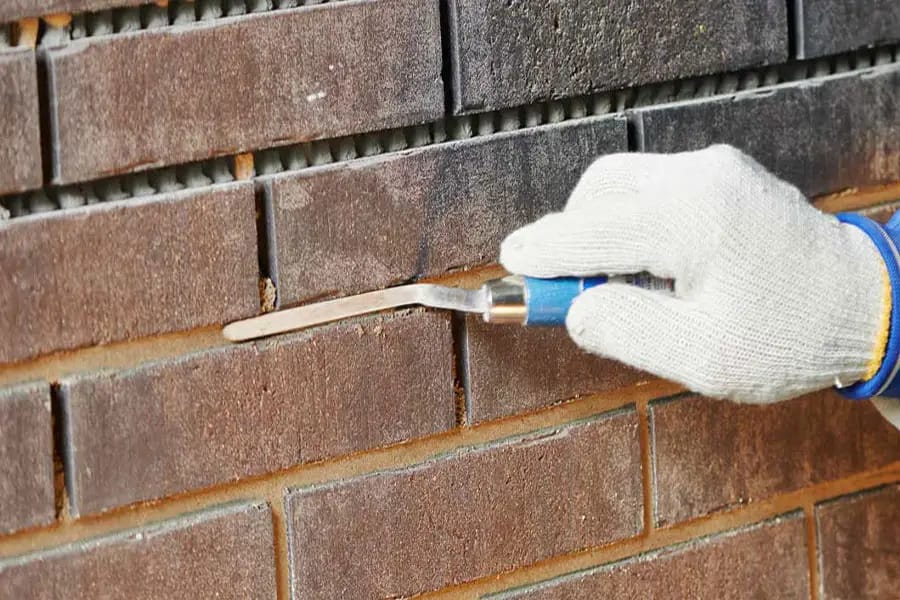
Tuckpointing is the process of removing damaged mortar from between bricks, then installing new mortar to restore both the structural integrity and appearance of the wall. Repointing is the structural side of this work, focusing on durability and sealing the wall against moisture. True tuckpointing adds a fine, often contrasting line for a crisp, finished look. Done correctly, this service extends the life of your brickwork by decades and can dramatically improve curb appeal.
In Atlanta, you see failing mortar most often on chimney crowns, parapet walls, porch columns, and older brick homes in neighborhoods like Virginia-Highland, Inman Park, and Grant Park. Spot repairs are often cheaper than tearing out and rebuilding, but only if the work is carefully matched to the existing brick and performed with the right mortar mix for Georgia’s climate. Superior Masonry Atlanta focuses specifically on these details so that repairs blend in and last.
How Professional Tuckpointing and Repointing Is Done, Step by Step
Superior Masonry Atlanta follows a detailed process for every tuckpointing and repointing project so you get a repair that is both strong and visually consistent with the rest of the structure.
1. Inspection and moisture check: We start by examining all exposed masonry, looking for hairline cracks, deep voids, loose bricks, efflorescence (white salt deposits), and past patch jobs. We check areas that see heavy rain, like chimneys and exposed gable ends, and look for evidence of interior leaks around fireplaces or basement walls.
2. Mortar analysis and color matching: Before touching the joints, we assess your existing mortar for hardness, sand texture, and color. Older Atlanta homes often used softer lime-based mortar, while newer construction uses harder cement-based mortar. Matching the original type is important to avoid damaging the brick. We do small test mixes on site to get the closest possible color and texture match.
3. Cutting or grinding out old joints: Defective mortar is removed to the correct depth, usually 2 to 3 times the width of the joint. We use hand chisels in delicate areas and dust-controlled grinders in larger sections. The goal is a clean, squared-off joint with no loose material left behind.
4. Cleaning and joint preparation: The open joints are brushed and, if needed, lightly rinsed to remove dust. For hot Atlanta afternoons, we may lightly dampen the joints so the new mortar cures correctly and does not dry too quickly.
5. Packing and tooling new mortar: Fresh mortar is pressed firmly into the joints in layers to eliminate voids. Once it begins to firm up, we tool the joint to match the existing profile (concave, flush, or struck). This tooling step is what gives the work a consistent look and also helps shed water properly.
6. Optional decorative tuckpoint line: For true tuckpointing, we then apply a thin, contrasting or matching “ribbon” of mortar along the center of the joints for a sharp, refined appearance. This is common on historic facades where owners want the brickwork to stand out.
7. Final cleaning and quality check: After curing begins, we remove surface mortar smears and perform a final inspection from multiple angles and in different light to ensure the color match and joint profile are consistent.
Common Masonry Problems in Atlanta That Tuckpointing Can Fix
Atlanta’s weather patterns create several specific issues that tuckpointing and repointing are designed to solve. Understanding these problems helps you decide what to fix now and what can wait.
Chimney leaks and staining: Chimneys that rise above the roofline take the brunt of wind-driven rain. When the mortar fails, water runs down into the chimney chase or the attic, leading to ceiling stains and musty odors. Tuckpointing the chimney joints and addressing the crown or cap can usually stop these leaks without a full rebuild.
Spalling brick: When moisture enters brick and then freezes, the face of the brick can flake off. This is more common on north-facing walls or shaded areas that stay damp longer. If caught early, we can replace individual spalled bricks and tuckpoint surrounding joints to prevent further damage.
Loose porch columns and steps: Many older Atlanta porches are brick or have brick piers. As mortar deteriorates, columns tilt and steps begin to wobble. Repointing stabilizes the structure, and in some cases we can rebuild only the affected sections instead of the entire porch or stair set.
Hairline cracks from settling: Atlanta’s red clay soil expands when wet and contracts when dry, which can cause hairline cracking in masonry joints. Not every crack is an emergency. We evaluate whether the crack is from normal settlement or an ongoing movement issue. Where appropriate, we grind out and repoint the joints so that water cannot penetrate and enlarge the crack.
Old mismatched repairs: Many homes have been patched over the years with mortar that is the wrong color or hardness. This can look bad and, in the case of very hard mortar used with softer brick, can actually accelerate brick damage. Superior Masonry Atlanta can remove those bad patches, repoint the joints with the proper mix, and restore a uniform look.
Materials and Mortar Choices: Getting It Right for Your Brick
Not all mortar is the same, and using the wrong mix can ruin good brickwork. Superior Masonry Atlanta pays close attention to materials so your tuckpointing lasts and does not create new problems.
Mortar type (N, S, O, or custom lime blends): For many modern Atlanta homes, a Type N or S mortar is appropriate, offering good strength and weather resistance. For historic properties in areas like Midtown or Decatur, we often use a softer mortar with higher lime content. This allows the mortar to flex slightly with the building and sacrificially take stress instead of the brick.
Sand and aggregate: The color and texture of your joints comes partly from the sand used. We source sands that match existing joints in grain size and color as closely as possible. This matters a lot when we are repairing only one elevation or a section of a wall and want it to blend in.
Pigments and color consistency: If your home has tinted mortar, we add masonry-grade pigments to achieve a consistent shade. We always mix full batches by volume or weight, not by guesswork, so the color does not shift from one section to another.
Sealants and water repellents: In some cases, particularly on highly exposed surfaces, we may recommend a breathable masonry water repellent after the tuckpointing has cured. This reduces water absorption while still allowing moisture vapor to escape, which is important in humid Georgia conditions.
Compatible brick replacements: When bricks are too damaged to save, we source replacements that match the original size, texture, and color as closely as the current market allows. Using a brick that is too dense or too different in size can cause uneven stress in the wall, so we select materials carefully.
What Affects the Cost of Tuckpointing in Atlanta
Tuckpointing and repointing costs vary from one property to another, and understanding the main pricing factors helps you plan and compare quotes fairly.
Access and height: Work at ground level on a low garden wall costs less per square foot than work on a tall chimney or 3-story facade. Chimneys often require roof protection, scaffolding, and additional safety measures, which add to labor and setup time.
Extent and depth of damage: Hairline cracks and shallow mortar loss are faster to repair than deep, wide joints that have completely washed out. Badly deteriorated walls may need brick replacement along with tuckpointing, especially if water has been entering for years.
Total area of work: Larger continuous areas, such as a long side wall, usually have a lower cost per square foot than many small isolated spots, because setup and cleanup are more efficient when we can work in larger sections.
Historical or decorative details: Fine decorative joints, contrasting tuck lines, or highly visible front facades demand more precise work and more time for mortar color testing. Historic properties may also require specific mortar formulations, documentation, or coordination with preservation guidelines.
Site conditions and timing: Tight lot lines, landscaping, or limited parking in dense Atlanta neighborhoods can affect how we stage and complete the work. Urgent leak repairs during a rainy stretch may require temporary protection, which can slightly increase costs.
Superior Masonry Atlanta provides written estimates that break down the project scope so you can see what is included: joint depth, approximate square footage, any brick replacement, and any recommended sealers or follow-up work.
How to Know if Your Atlanta Property Needs Tuckpointing
You do not have to be a mason to spot the early warning signs that your brickwork needs attention. Here are simple checks you can do before you call Superior Masonry Atlanta:
Visual joint inspection: Stand a few feet away on a bright day and scan the mortar joints. Look for dark shadows or gaps that indicate missing mortar, along with areas where the joints look cracked or recessed compared to the rest of the wall.
Mortar hardness test: With a key or flat screwdriver, gently press into the mortar in several places. If it easily crumbles or powders, the joint has likely lost its strength. Sound mortar should be firm and not flake away under light pressure.
Interior clues: Check for water stains near fireplaces, along the top of basement walls, or on ceilings below chimneys. Damp smells after a storm can also signal that water is coming through the masonry rather than through the roof alone.
Movement indicators: Watch for stair-step cracking that runs along the mortar joints, especially above windows and doors. A few small cracks might be cosmetic, but multiple or widening cracks suggest the need for a more thorough evaluation.
Age and past repairs: If your home is more than 25 to 30 years old and has never been repointed, it is wise to have the mortar evaluated, especially on weather-exposed sides. Previous patch jobs with mismatched mortar that are already failing are also a clear sign that professional tuckpointing is due.
If you are unsure, Superior Masonry Atlanta can perform a site visit and give you a straightforward opinion on what needs immediate attention and what can safely be monitored over time.
Why Choose Superior Masonry Atlanta for Tuckpointing and Repointing
Tuckpointing is not a cosmetic patch job. It is a specialized repair that directly affects the durability of your brickwork. Choosing an experienced local contractor matters, especially in a city with as much temperature and moisture fluctuation as Atlanta.
Superior Masonry Atlanta brings focused masonry expertise, not general handyman experience. Our crews work on brick and mortar every day, from older bungalows and historic facades to newer construction and commercial properties. We know how different mortar types behave in this climate and tailor each repair accordingly.
We approach every project with an emphasis on matching, not just filling. That means careful color and texture testing, joint profiles that blend into the existing wall, and a clean finish without haze or streaks on the brick face. We also pay attention to the surrounding conditions, from roof runoff patterns to grade and drainage, so that the tuckpointing is part of a long-term solution.
Communication is straightforward. We explain what needs to be done, why it is necessary, and what alternatives exist if you have budget or timing constraints. Our estimates clearly outline the scope, so you are not guessing what “repoint as needed” really covers.
If you suspect your Atlanta home or building needs tuckpointing or repointing, Superior Masonry Atlanta can inspect the masonry, provide a detailed plan of action, and schedule work at a time that minimizes disruption. Properly restored mortar joints will protect your structure, improve its appearance, and help you avoid larger repair bills in the future.