Home › Concrete and Block Masonry
Superior Masonry Atlanta provides reliable block masonry services in Atlanta, GA, including concrete block foundations, walls, and repairs. We build level, reinforced CMU walls with proper footings, grouting, and waterproofing to support your home and outdoor spaces for decades.
Superior Masonry Atlanta provides professional block masonry throughout Atlanta, GA, Georgia and the surrounding area. Our licensed, insured crew delivers safe, clean, on-time work with a free estimate before anything begins. Call (912) 454-5836 or request your free quote.
Concrete and Block Masonry in Atlanta Built to Handle Real Conditions
Concrete and block masonry is only as good as the planning that goes into it. At Superior Masonry Atlanta, we start every block masonry project by looking at how the structure will actually be used and what it will be exposed to in Atlanta’s climate. That means checking soil type on your lot, drainage patterns during our heavy summer storms, and sun exposure that can drive surface temperatures high enough to stress poorly built work.
For load bearing block walls, retaining walls, foundations, and structural elements, we select block type, reinforcement layout, and concrete mix based on actual load calculations instead of guesswork. For non structural items like garden walls, trash enclosures, and decorative screens, we can simplify the reinforcement, but we still pay attention to footing depth, control joints, and water management so the work stays straight and crack free.
If you are comparing proposals, ask each contractor how deep they plan to dig the footing, what strength concrete they will use, and how they will protect the footing from water. Superior Masonry Atlanta provides those details in writing so you know exactly what you are paying for and how your block masonry will perform over time in Georgia conditions.
How We Build Durable Block Walls Step by Step
A typical block masonry project in Atlanta follows a clear process.
First, we stake out the wall or slab line, mark finished heights, and verify clearances from property lines and utilities. If the project involves a retaining wall, we pay attention to surcharge loads like parked vehicles or slopes above the wall that increase pressure.
Second, we excavate to the required footing depth. For most block walls in Atlanta’s clay soils, that is at least 8 to 12 inches below grade for small garden walls and often 18 to 24 inches or more for structural or retaining walls. We remove soft spots and organic material so the footing sits on firm, undisturbed soil.
Third, we form and pour the concrete footing. We typically use a 3,000 to 4,000 psi concrete mix, adjusted for weather conditions. In summer heat, we schedule morning pours and use proper curing to reduce shrinkage cracking. In cooler months, we monitor overnight temperatures since cold snaps can slow curing.
Before the concrete hardens, we set vertical rebar dowels to tie the footing to the block wall. Once the footing has cured enough to work on, we snap chalk lines, set corner blocks to exact height and alignment, then stretch mason’s lines between corners to keep each course straight and level.
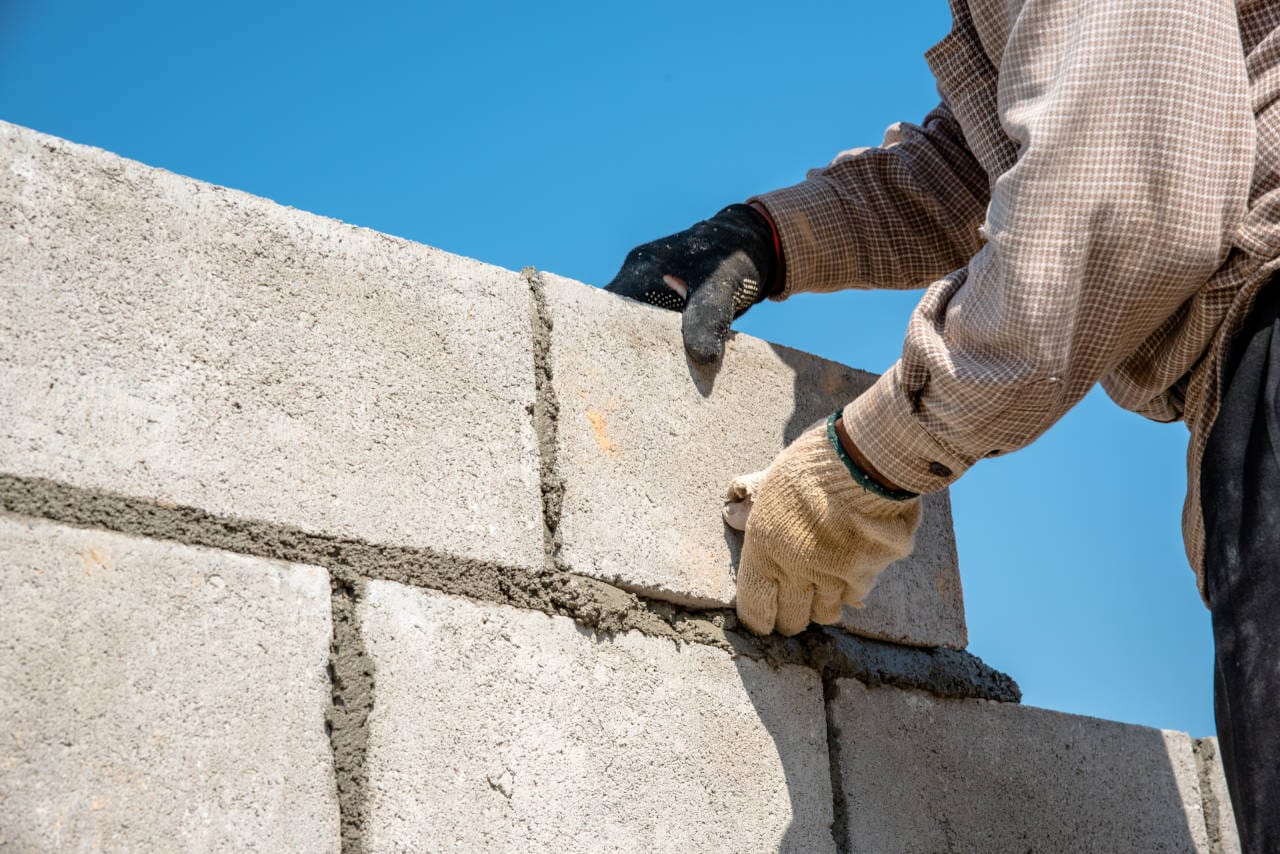
Blocks are laid in a staggered pattern (running bond) with full head and bed joints filled with mortar. We constantly check level and plumb to avoid slow drift that leads to waves in the wall. For reinforced walls, we align cores over vertical rebar, then later grout those cores solid with concrete. Control joints are installed at regular intervals to manage thermal and shrinkage movement so cracks form where we choose instead of randomly across the face of the wall.
Concrete Work: Slabs, Footings, Pads, and More
Concrete often goes hand in hand with block masonry. Superior Masonry Atlanta installs footings, slabs, landing pads, and structural concrete that support or connect to your block work.
For slabs like patios, equipment pads, and walkways, we start by grading for proper slope away from your home or building. Atlanta’s sudden downpours can flood low spots very quickly, so we design slopes that move water without creating trip hazards or sending runoff toward foundations. We then compact the subgrade and, where appropriate, add a gravel base to reduce settlement.
We set forms to the correct elevation, install reinforcement such as rebar or wire mesh where needed, and cut or tool control joints at planned intervals to control cracking. For exterior surfaces, we usually recommend a broom finish that provides traction when wet, which is important in our humid climate.
For structural concrete, like thickened edge footings or pier pads that will carry block columns, we coordinate the rebar layout so it ties directly into the masonry above. That connection is critical during wind events and helps prevent lateral movement over time. We also look at access for concrete trucks in tight Atlanta neighborhoods. When access is limited, we plan for line pumps or smaller loads so the pour can be completed properly without cold joints or rushed finishing.
Material Options and Design Choices for Block Masonry
Block masonry is more flexible than many homeowners realize. Instead of defaulting to a plain gray wall, Superior Masonry Atlanta can combine different block types, finishes, and concrete elements to match the look of your property and HOA requirements.
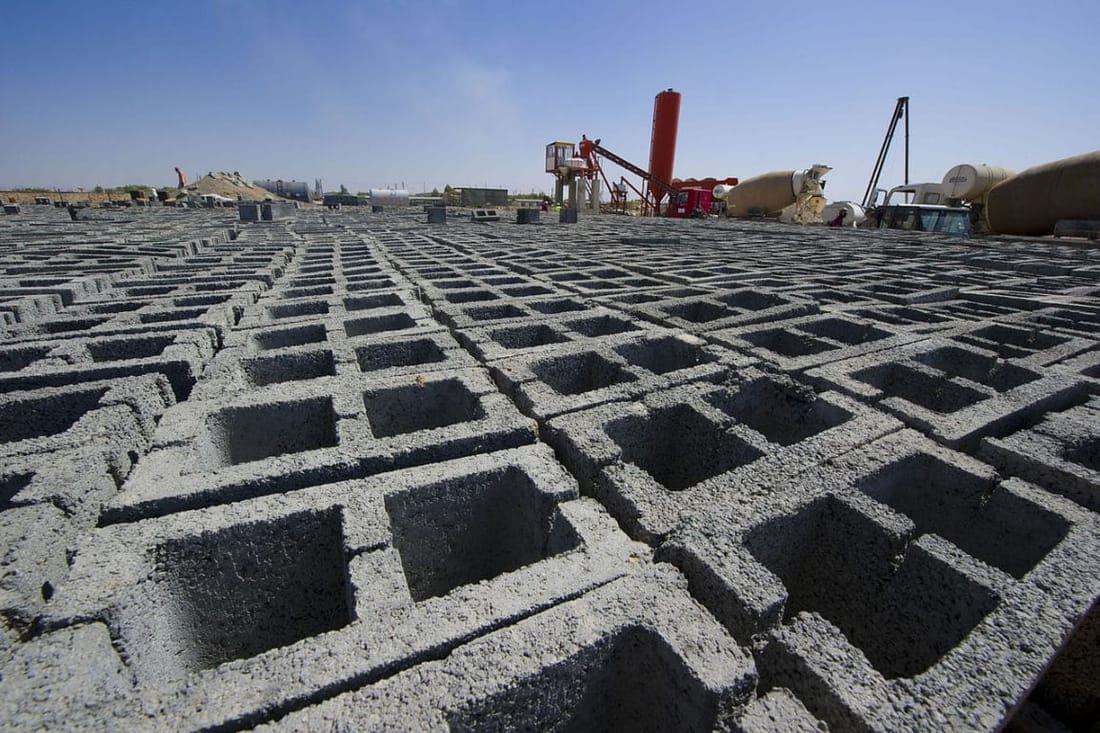
Common options include standard concrete block that can be stuccoed or painted, split face block that has a textured, stone like front, and architectural block available in different colors and aggregate blends. For commercial projects in Atlanta, we can use integrally colored block that satisfies branding or design guidelines and reduces long term maintenance.
You can also combine block with poured in place concrete features. For example, a retaining wall might use standard block for the structural portion, with a cast in place concrete cap that overhangs slightly and sheds water away from the face. Steps can be formed in concrete and flanked by block planters, or a trash enclosure can be built with block walls and a concrete slab floor that slopes to a drain.
In residential settings, we often design block walls that are built to structural standards but finished with brick or stone veneer so they blend with existing architecture. The block provides the strength and cost efficiency, while the veneer provides the curb appeal. During planning, we account for the added thickness of any veneer so property lines, gates, and fences still align correctly.
Costs, Scheduling, and Atlanta Specific Considerations
Concrete and block masonry pricing depends on a few main factors: excavation depth and access, reinforcing steel requirements, height and thickness of the wall, type of block or finish chosen, and any drainage systems or special engineering needed.
Excavation and access often drive cost more than material. In older Atlanta neighborhoods with narrow driveways or steep lots, getting equipment and concrete where it needs to go can require more labor. Shallow garden walls on flat, open yards cost less per foot than deep, reinforced retaining walls built into hillsides.
Engineering, permits, and inspections also affect price. Larger retaining walls or walls near property lines may require stamped drawings and county or city inspection. Superior Masonry Atlanta can coordinate with your engineer or help you connect with one. We follow the structural details provided, including rebar spacing, footing dimensions, and drainage requirements, and schedule any required inspections as the work progresses.
For scheduling, the best windows for concrete and block work in Atlanta are typically late fall through early summer. Summer’s extreme heat and pop up thunderstorms are manageable with the right planning, but we often recommend morning pours and close monitoring of curing. Winter work is possible as long as we work around rare freezing nights and protect fresh concrete when necessary. If you have a specific deadline, like a pool installation or new fence, we plan our masonry sequence around those trades so your project stays on schedule.
Common Problems and How Superior Masonry Atlanta Prevents Them
Most long term issues with concrete and block masonry in Georgia come from three sources: water, movement, and shortcuts in reinforcement. Superior Masonry Atlanta designs and builds with those in mind from day one.
For retaining walls and any block that holds back soil, water pressure is the number one enemy. We install proper drainage behind the wall, usually a gravel backfill with perforated drain pipe at the base that outlets to daylight or an approved drain location. We wrap gravel with fabric where needed to reduce clogging from our clay soils. We also avoid burying weep holes or outlets during landscaping so water can actually escape.
Movement problems show up as cracks, leaning, or separated joints. We control movement by using adequate footing size, correctly spaced control joints, and reinforcement that ties the wall together and anchors it into the footing. On sloped Atlanta lots, we step footings and wall courses carefully instead of trying to force one continuous height across changing grade, which often leads to tipping or uneven settlement.
Shortcuts in reinforcement and grout are common in low bid work. Some walls look fine right after construction but fail early because reinforcing bars are missing or cores were never properly grouted. Our crews document rebar installation before grouting, and we use grout mixes appropriate for the wall height and rebar spacing. When you hire Superior Masonry Atlanta, you get a block masonry system that is built to handle Atlanta weather, soil, and real world loads, not just pass casual visual inspection on day one.